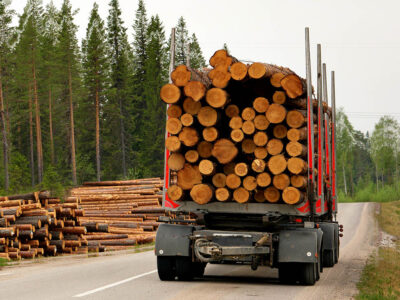
SAFI continues to monitor developments around the European Union Deforestation Regulation (EUDR), which aims to ensure that products sold in the EU do not contribute to global deforestation. The regulation, which impacts timber-based products and furniture exports, has been under review to allow a more practical rollout.
The European Commission has now proposed targeted amendments to reduce administrative burdens and support smaller businesses during the transition period. Key updates include simplified reporting requirements, a single due di ligence declaration for each product, and revised implementation timelines. Large and medium companies remain subject to the December 2025 start date, but with a six-month grace period, while micro and small enterprises have until December 2026 to comply.
“These adjustments are a positive step,” says Symons. “They recognise the challenges smaller manufacturers face in navigating new systems and help ensure that compliance doesn’t come at the cost of accessibility or trade growth.”
The delay is primarily due to technical development on the EU’s new IT platform, which must process far greater data volumes than original ly ant icipated. “The EUDR represents both a challenge and an opportunity for South African manufacturers,” adds Boulle. “Through a pilot project led by EcoSquare, we are exploring how digital traceability can support compliance and open new export doors.”
The proposed amendments are still awaiting approval by the European Parliament and Council, but adoption is expected before the end of 2025.